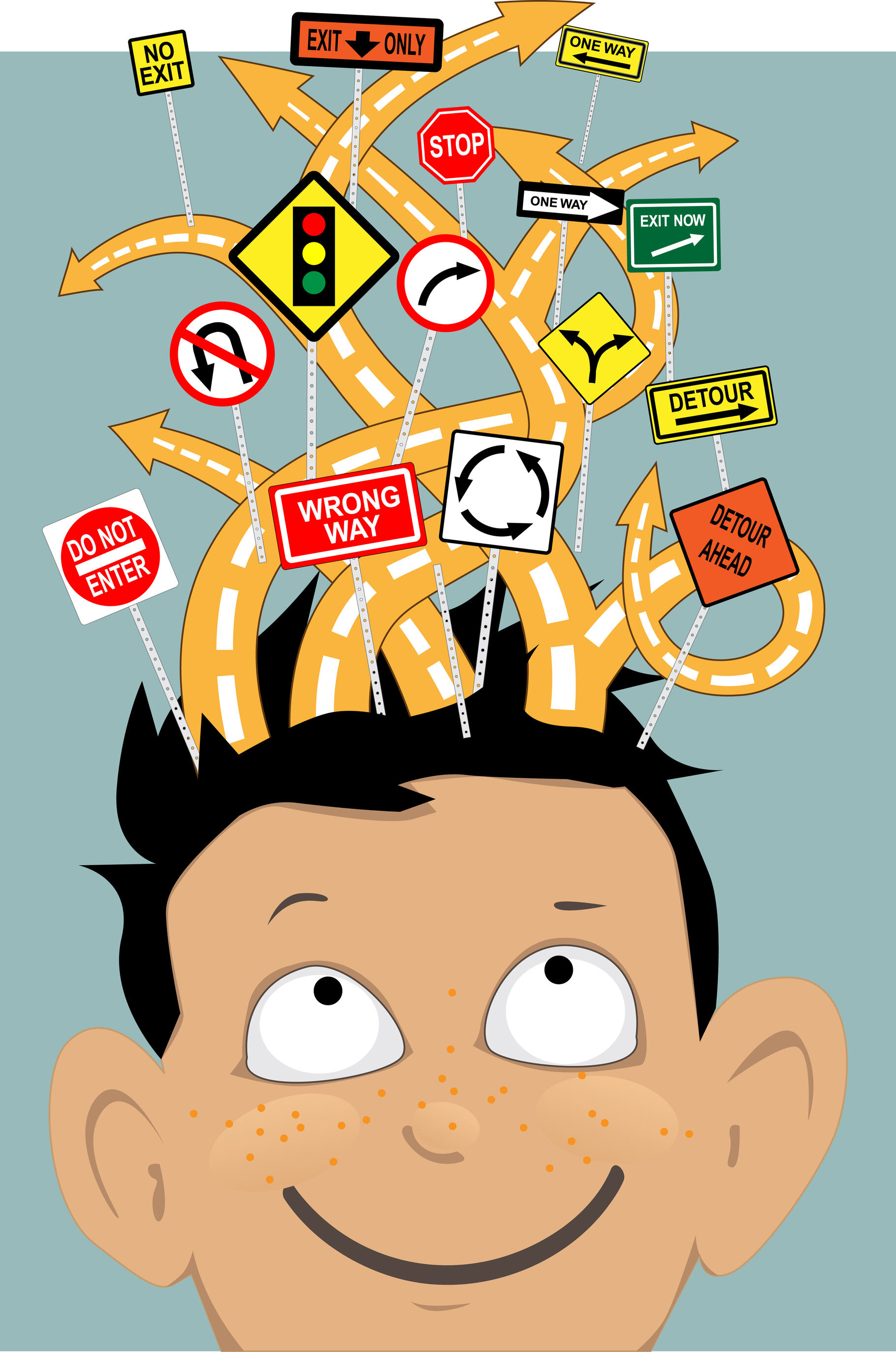
Welcome to our interactive guide on Attention Deficit Hyperactivity Disorder (ADHD), a common neurodevelopmental disorder that affects children's ability to focus, control impulses, and manage their behavior. Let's explore what ADHD is, its signs and symptoms, causes, diagnosis, treatment options, and how parents can support their child's journey.
What is ADHD?
ADHD stands for Attention Deficit Hyperactivity Disorder. It is a medical condition characterized by differences in brain development and activity that impact a child's ability to pay attention, sit still, and control impulses. ADHD can affect children's performance at school, home life, and relationships.
Signs and Symptoms
ADHD symptoms can manifest in different ways:
- Inattentive Type: Children may have difficulty focusing, completing tasks, following instructions, and often appear forgetful or easily distracted.
- Hyperactive Type: Children are excessively active, fidgety, and struggle to stay seated. They may talk excessively or interrupt others.
- Combined Type: Children exhibit symptoms of both inattention and hyperactivity-impulsivity.
What Causes ADHD?
The exact cause of ADHD is not fully understood, but factors may include:
- Genetics: ADHD often runs in families, suggesting a genetic predisposition.
- Brain Development: Differences in brain structure and function, particularly in areas related to attention and impulse control.
- Environmental Factors: Premature birth, exposure to toxins, or maternal substance use during pregnancy may increase the risk.
How is ADHD Diagnosed?
Diagnosing ADHD involves a comprehensive evaluation:
- Medical Assessment: A doctor conducts a physical exam and reviews medical history to rule out other potential causes.
- Behavioral Assessment: Parents and teachers complete behavior checklists to assess the child's symptoms and their impact on daily life.
- Diagnostic Criteria: ADHD is diagnosed if symptoms significantly impair functioning at home and school, and have persisted for a period.
Treatment Options
Effective management of ADHD often includes:
- Medication: Stimulant medications (e.g., methylphenidate, amphetamines) can help improve attention and impulse control.
- Behavioral Therapy: Therapists teach children skills to manage behavior, emotions, and social interactions.
- Parent Training: Coaching parents on effective strategies to support their child's development and manage ADHD-related behaviors.
- School Support: Educational accommodations, like Individualized Education Programs (IEPs) or 504 Plans, can help children succeed academically.
How Can Parents Help?
Supporting a child with ADHD involves:
- Education: Learn about ADHD, treatment options, and effective parenting strategies.
- Medication Management: Administer medication as prescribed and monitor its effects.
- Collaboration with Schools: Communicate with teachers to create a supportive learning environment.
- Positive Parenting: Use praise, structure, and clear expectations to reinforce positive behaviors.
- Support Groups: Connect with other parents facing similar challenges for mutual support and guidance.
Conclusion
ADHD is a manageable condition that, with the right support and treatment, allows children to thrive academically, socially, and emotionally. By understanding ADHD symptoms, causes, and treatment options, parents can play a crucial role in their child's journey toward success.
Thank you for exploring our interactive guide on ADHD in kids. If you have any questions or would like to share your experiences, please feel free to engage in the comments section below. Together, we can raise awareness and support families navigating ADHD.

